Updated November 2026
By Moshe Levy, Swift Garage Doors LLC. Nevada contractor license 0082445 (C-3D). Check our license. Local and family owned in the Las Vegas Valley.
The Fast Version
Most garage door trouble starts with something simple. Check the power, the wall switch, the remote battery, the sensors and anything blocking the door. Lubricate dry parts and snug loose bolts. Stop at springs, cables, a door off its track and opener wiring. Those store force or carry current, and they belong to a trained pro. In Las Vegas, call (702) 888-0085 any time.
Start With the Easy Checks
A dead remote battery costs a few dollars and a minute. A broken spring needs a trained pro and the right tools. Most door trouble sits somewhere between those two, and a few safe checks tell you which one you have.
We see all seven of these problems across the Las Vegas Valley. A door that will not open or close, a noisy door, a dead opener, a door off its track, a broken spring, a remote that fails and a damaged panel. This guide covers the checks you can do yourself. It also draws a clear line at the jobs that belong to a pro.
Power and the Wall Switch
Start at the opener. Make sure it is plugged in. Then check the breaker for the garage outlet and reset it if it tripped.
Next, press the wall switch instead of the remote. If the wall switch moves the door, the opener is fine and the remote is the problem. If neither works, the trouble is power, the opener or the door itself.
Unplugging the opener for a few minutes and plugging it back in can clear a small glitch. That is a safe reset.
Remote Batteries and Reset
Dead batteries are the most common reason a remote stops working. Put in new ones and match the plus and minus marks. Check the remote for cracks or a stuck button too.
Still nothing? The remote may need to be programmed again. Your opener manual shows the steps. Moving closer to the opener rules out range and interference from lights or electronics. If you have a second remote, test it. If the second one works, the first one is the problem. Our remote and keypad programming page covers the basics.
Sensors and Obstructions
Two small safety sensors sit near the floor on each side of the door. They must face each other and stay clean. When one is bumped or blocked, the door will open but refuse to close.
Wipe each lens with a soft cloth. Look for a stored bike, a box or a hose in the beam. Then check that both sensors point straight across.
Summer in Las Vegas adds a twist. Low sun and heat over 110 degrees can wash out a sensor or shift a bracket. Our post on a door that will not close in the Las Vegas sun goes deeper.
Noise Usually Means Dry or Loose Parts
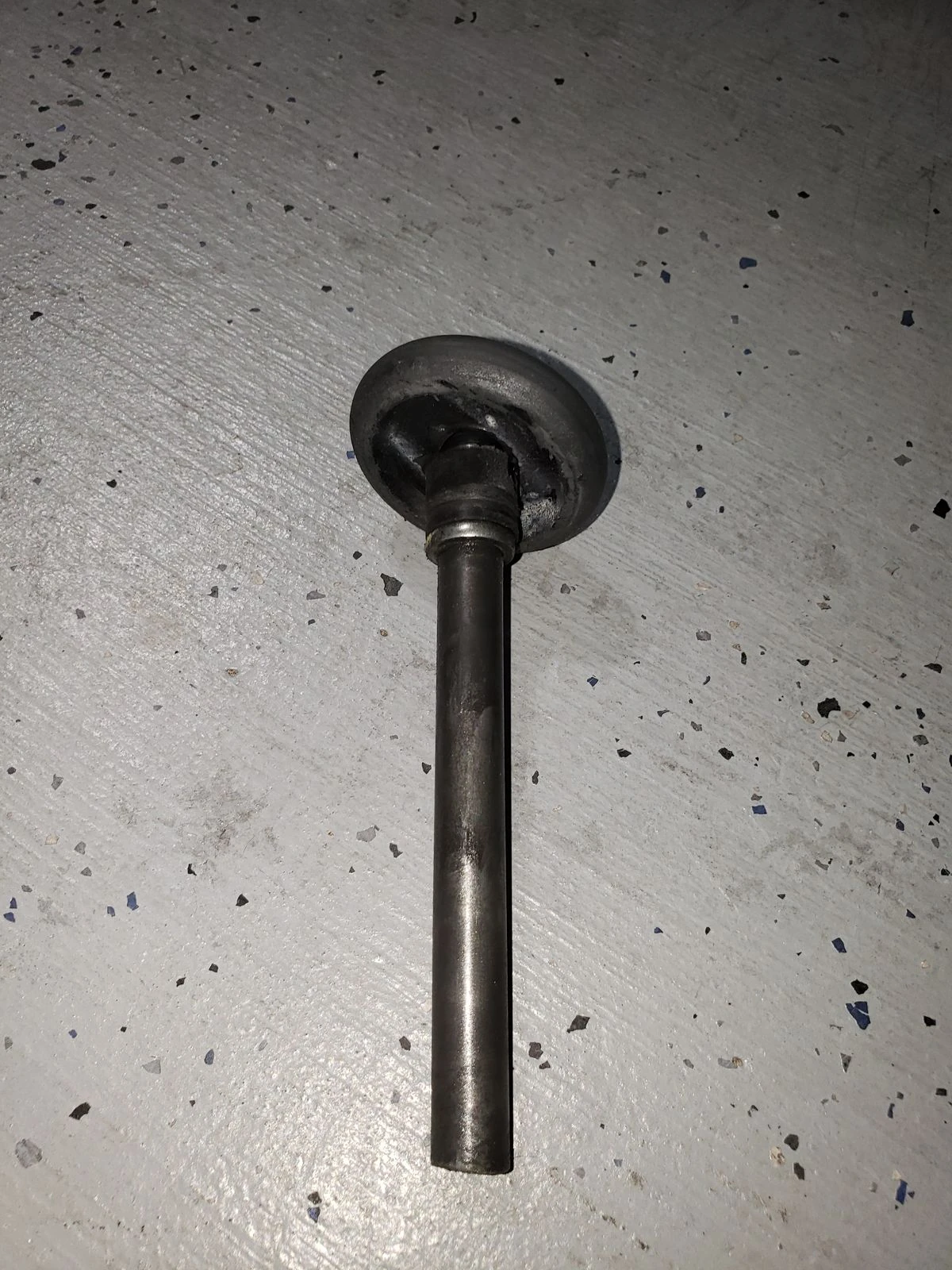
A noisy door is annoying. It is also a warning. Most of the time the cause is dry hinges, loose hardware or worn rollers. Dust from the desert settles into tracks and rollers and makes it worse.
Lubricate the Right Way
Use a spray made for garage doors on the rollers, hinges and the moving parts of the opener. Skip thick grease. Grease holds dust and turns into a gritty paste.
Squeaky springs are often normal, according to DASMA, the door industry group. It suggests trying a spray on lubricant first. If the noise stays, have a pro look. Spray from a safe distance and never touch or adjust the spring.
Tighten Bolts and Check Rollers
Constant movement shakes bolts and screws loose. With the door closed, look over the hinges, brackets and the opener mounts. Snug up anything loose with a wrench or screwdriver. Stop when it is snug, because overtightening strips the threads.
Look at the rollers too. Chipped or flat ones grind and squeak. Rollers on the door itself sit close to the bottom brackets, and those brackets are under tension. DASMA says only a trained technician should adjust or loosen them. Leave the bottom rollers to a pro.
A twice a year tune up keeps most of this from happening. Our tune up and maintenance page shows what the visit covers.
When to Stop and Call
Here the advice changes. The checks above are safe because nothing in them stores heavy force. The jobs below do. A mistake can hurt you or wreck the door, so this is where you stop.
Springs and Cables
Springs carry the weight of the door. DASMA says spring systems are dangerous and should be repaired only by trained professionals. It says the same about the cables that connect the springs to the bottom brackets.
These are the signs of a broken spring.
- A loud bang from the garage that sounds like a shot.
- One side of the door sits higher than the other.
- The opener strains or the door will not lift.
- A visible gap in the coil.
Do not run the opener and do not try to lift the door by hand. Frayed cables count as a stop sign too. DASMA warns that worn cables can break and cause injury. If the door has two springs, DASMA says to replace both even when only one broke.
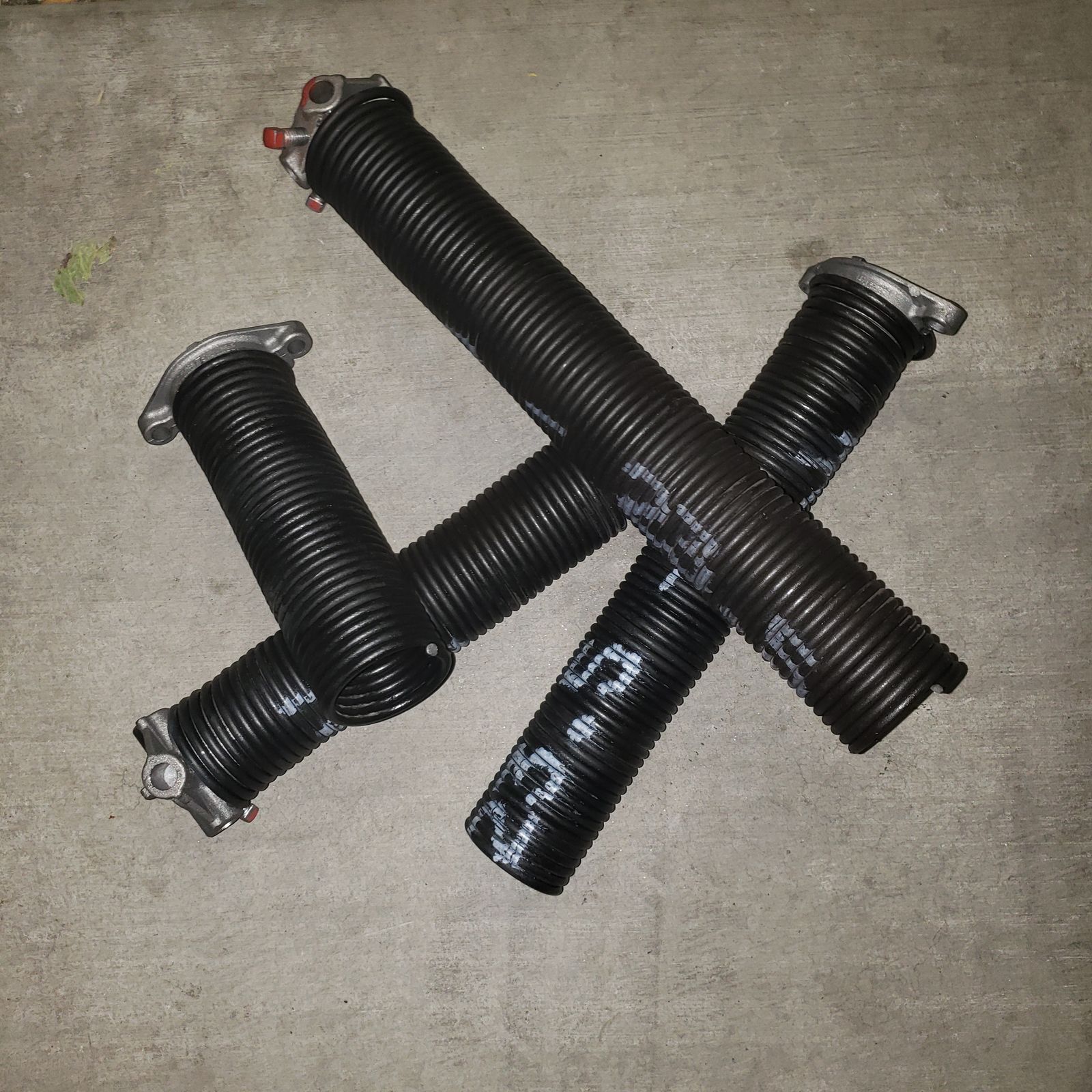
A pro brings the right tools and parts, and the work comes with a guarantee. See how broken spring replacement works.
A Door Off Track
You can look. You should not fix it. Check the tracks for objects, dirt or visible bends. Clear loose debris from the floor around the door.
Then stop. Leave the door where it is and do not run the opener. A door that has left its track can fall or twist. Forcing it back with a mallet often bends the track more. Call for help and keep people away from the door.
Opener Wiring and Circuit Boards
With the opener unplugged, you can look at the wires to the wall switch and the sensors. Loose or frayed wire is a repair for a pro. So is a motor that hums but does not move, or a circuit board that seems dead.
Never poke around inside a plugged in opener. See our opener repair page and the safety sensor repair page for the jobs Swift handles.
Panel Damage Is a Look First Problem
Panels get dented by cars, bikes and stray balls. Check each one for dents, cracks and warping. Watch the door as it moves. Rubbing or resistance can mean a panel is out of shape.
A small dent is cosmetic. Some owners tap it out from the inside with a rubber mallet over a wood block. A crack, a hole or a warped section is different. It weakens the door and can bind it in the track. Have a pro check it. Sometimes one panel can be replaced. Our panel replacement page has the details.
What Callers Ask
- Why does my garage door open but not close?
The safety sensors are the usual cause. Clean both lenses, clear anything in the beam and make sure they face each other. Strong sun can also confuse them in Las Vegas.
- The remote fails but the wall switch works. What now?
The opener is fine. Replace the remote battery, then reprogram the remote using your manual. If that fails, the remote may need replacing.
- Can I spray my springs myself?
You can spray a garage door lubricant on them from a safe distance. Do not touch, wind or adjust them. DASMA says spring work is for trained professionals.
- Only one of my two springs broke. Can I replace just that one?
DASMA says to replace both when a door has two springs. The second one has the same wear and tends to follow soon after.
- How often should a door get serviced?
DASMA recommends a yearly visit from a trained technician. Swift suggests a tune up twice a year in the Valley. Our $19.95 lubrication and inspection special is on the coupons page.
- How do I know a repair company is licensed?
Ask for the license number and look it up with the Nevada State Contractors Board. Swift holds license 0082445, classification C-3D, and is fully insured.
More Help
- See which repair shows up most and what it costs in the most common garage door repair.
- Get a spring fixed with broken spring replacement.
- Get a door back on its track with off track door repair.
- Fix a door that will not close with safety sensor repair.
- Save on the next visit with our coupons page.
Notes and Links
- DASMA, Garage Door Systems Safety Tips
- DASMA, Garage Doors Safety Tips
- Nevada State Contractors Board, Consumer Checklist
These checks are general guidance. Your opener and door manuals come first.
Door acting up? Call us at (702) 888-0085 for a firm price anywhere in the Las Vegas Valley.